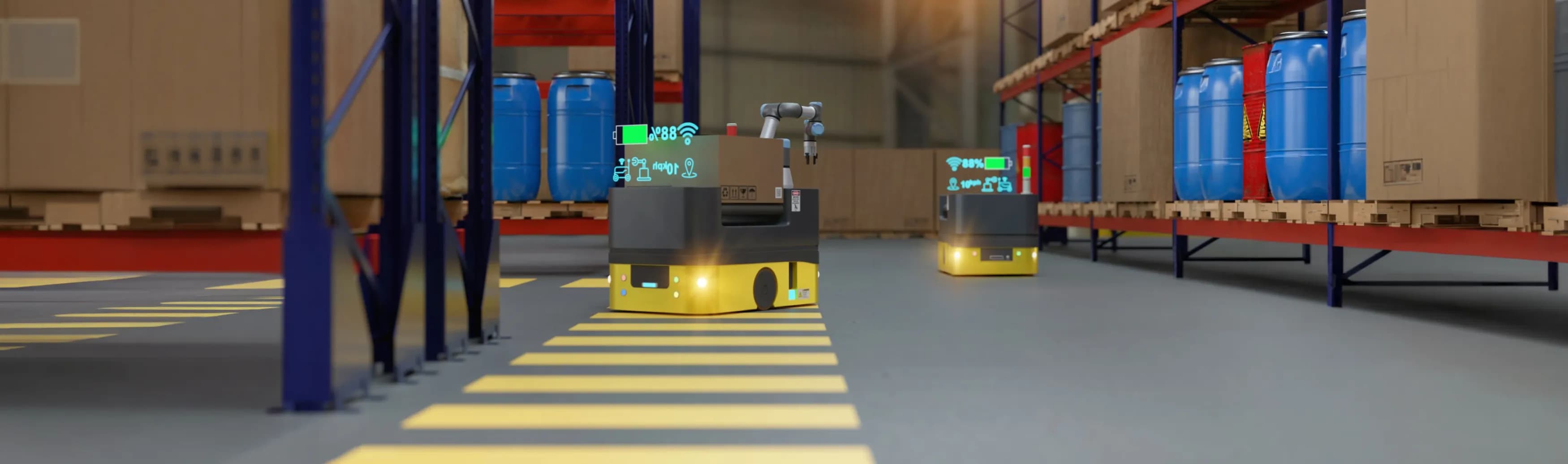
In today’s fast-paced logistics environment, supply chain leaders face an uphill battle against inefficiencies that bleed margins and inhibit competitiveness. With complexity growing due to global disruptions, fluctuating demand, and consumer expectations for faster delivery, the need for real-time visibility and rapid decision-making has never been more pressing. At the heart of modern supply chain optimization lies the transformative potential of AI integration in supply chains. By leveraging advanced analytical capabilities, businesses can gain immediate predictive insights and optimize routes, ultimately enhancing operational efficiency and profitability.
The Case for AI Integration in Logistics
Breaking Down Inefficiencies
Traditional supply chain management systems often fall short in providing the visibility needed to make informed decisions. These systems struggle to process large volumes of diverse data sources, resulting in a reactive rather than a proactive approach. However, AI integration logistics can turn this narrative on its head. Through machine learning algorithms, businesses can analyze historical and real-time data to identify inefficiencies, forecast demand fluctuations, and optimize routing decisions.
For example, a major retailer that implemented AI-driven analytics in its supply chain reduced its lead time by 30% within the first quarter. This was achieved through predictive analytics that identified potential bottlenecks before they became significant issues.
Custom AI Integration for Tailored Solutions
One size does not fit all in the realm of logistics. Supply chain leaders require tailored approaches that can seamlessly integrate with their existing systems. This is where custom AI integration comes into play. By developing bespoke AI solutions that cater to specific logistical needs, companies can unlock layers of operational intelligence that generic systems may overlook.
Imagine a company specializing in perishable goods. By integrating AI algorithms that consider temperature control, transit times, and environmental factors, this company can optimize its supply chain to minimize spoilage, thus enhancing profit margins while addressing a critical need for efficiency.
Predictive Insights: The Power to Anticipate
The ability to predict future trends and demands can drastically reduce operational disruptions. AI technologies analyze historical trends, weather patterns, and socio-economic changes to provide actionable insights. Supply chain leaders equipped with these insights can make real-time adjustments, such as reallocating resources or changing shipping routes, which can lead to significant cost savings.
Data-Driven Route Optimization
A critical advantage of AI integration in supply chains is its role in route optimization. Algorithms can evaluate multiple variables, including traffic conditions, delivery windows, and fuel costs, to recommend optimal routes. This function not only speeds up delivery times but also reduces costs associated with fuel and vehicle maintenance.
For instance, a logistics company integrated AI into its Transportation Management System (TMS) and realized a 20% reduction in fuel costs. By continuously learning from real-time data, the AI adapted routes dynamically based on current conditions, contributing to both sustainability goals and cost-effective operations. These strategies align closely with effective digital marketing strategies for logistics companies that enhance operational efficiency using technology.
The Role of Advanced Analytics in Visibility
Integration doesn’t stop at simple predictive insights or route optimization; it extends into advanced analytics. With AI capabilities, supply chain managers can monitor key performance indicators (KPIs) in real time, making adjustments as needed. Advanced analytics tools offer visibility into every segment of the supply chain, from procurement to inventory management.
Case Study: Elevating Supply Chain Performance
Consider a logistics provider who faced challenges with inventory turnover rates. By leveraging AI to integrate historical purchasing patterns and customer behavior data, the company improved its forecasting accuracy by 50%. As a result, it minimized excess inventory while ensuring high service levels, which led to a substantial increase in overall supply chain performance. This approach is an excellent example of how business growth through AI and data-driven decision-making can transform operational results.
Strategic Next Steps
As supply chain leaders continue to bleed margins due to inefficiencies, the imperative for swift and strategic action has never been clearer. Integrating AI—from predictive analytics to custom solutions, can dramatically enhance visibility and operational efficiency in logistics. Companies that embrace AI integration in supply chains can expect not just to survive but thrive in a competitive landscape.
Consider exploring how tailored AI solutions can revolutionize your logistics strategy. Connect with Oceans Code Experts today for a consultation and discover the transformative power of custom AI integration in enhancing your supply chain visibility and efficiency.
By focusing on these core aspects of AI integration in supply chain management, businesses can effectively leverage advanced technology to combat inefficiencies and drive profitability. For more insights on boosting your logistics strategy, check out The Logistics Advantage.